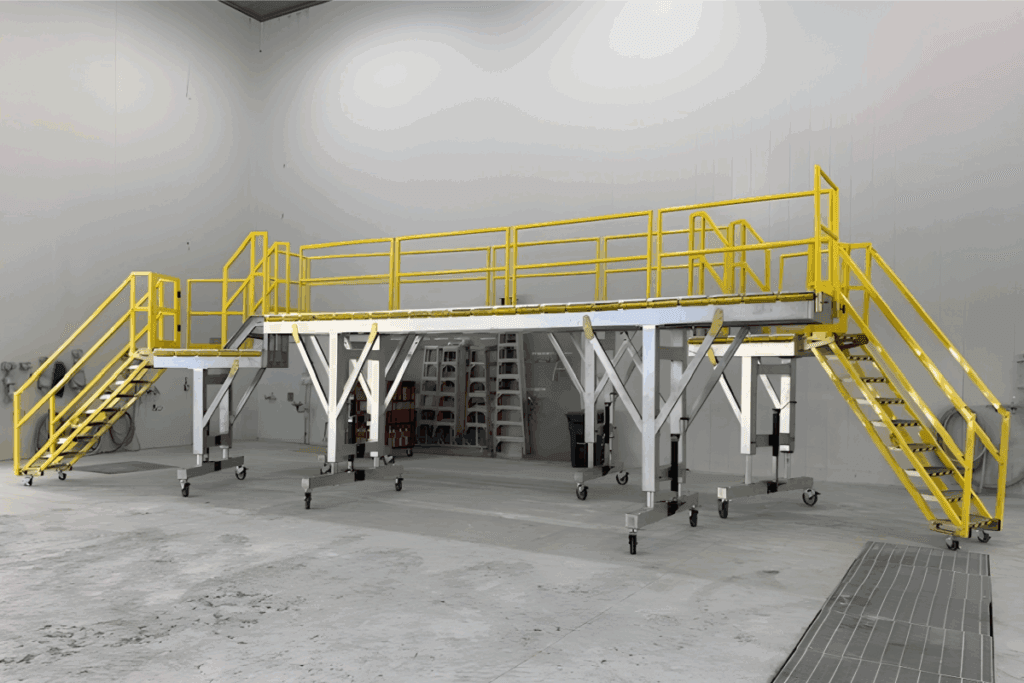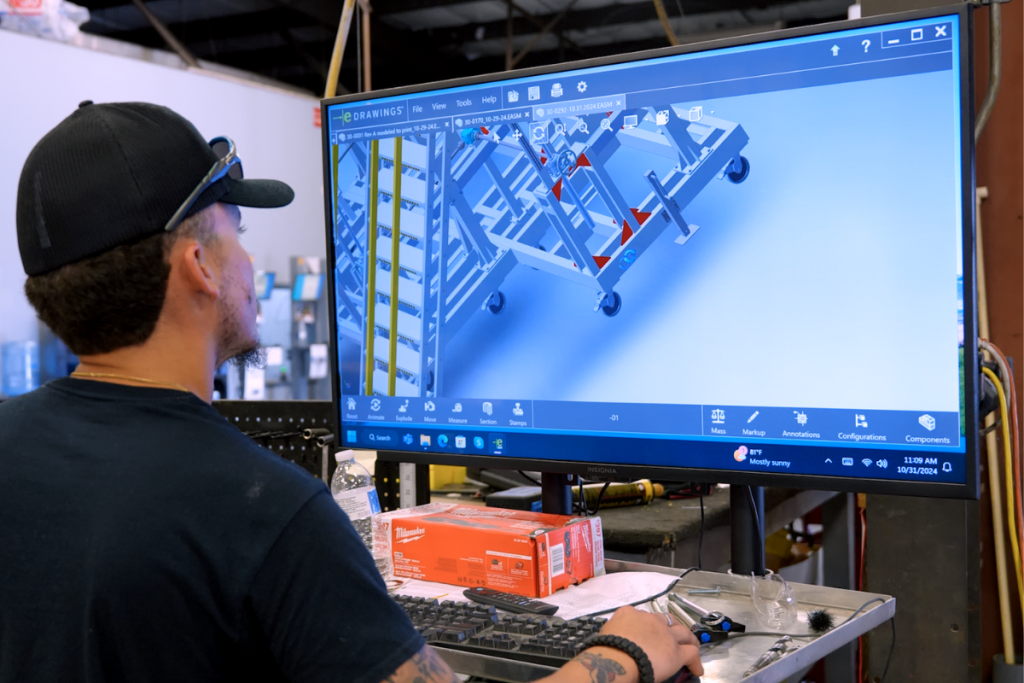
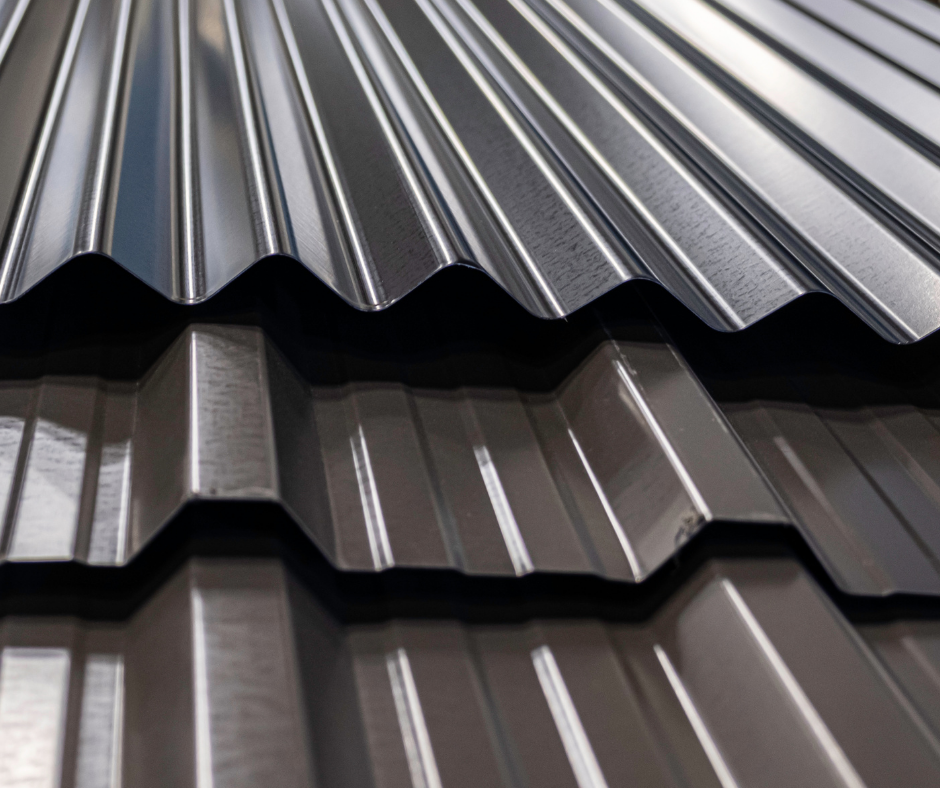
How We Build Safety, Strength, and Trust Into Every Platform and Work Stand
When you are selecting a partner to build maintenance platforms, work stands, mezzanines, or other industrial structures, you need clarity on how that partner ensures reliability and long-term performance. At JE Technology Solutions, that assurance begins with how we manage and verify the materials that go into your equipment.
Material Certification is one of the most important parts of our process. It is how we confirm that every piece of metal used in your structure is suitable for the environment it will operate in and aligned with the engineering requirements of your project. Below is a clear overview of the key steps we follow and why this approach matters for your operation.
1. Selecting Materials That Match Your Environment
Every project begins with understanding where the equipment will be used. A platform for a marine fleet application faces very different conditions than a work stand used inside a manufacturing plant. Energy facilities have vibration and heat considerations, while mining and construction environments require heavy impact tolerance.
By identifying these details upfront, we select certified materials that meet the demands of your environment. This ensures your equipment is designed around your real conditions rather than forcing your operation to adjust to a one-size-fits-all solution.
2. Confirming Certifications When Materials Arrive
Once materials reach our facility, we review the documentation that accompanies them. This includes verifying the material grade, heat or lot numbers, mechanical properties, sizing, and compliance with ASTM or ISO standards.
If anything does not align with the requirements outlined for your project, we do not move the material into production. This verification provides confidence that the foundation of your structure is correct before fabrication begins.
3. Inspecting the Material for Actual Quality
Certifications tell us what the material should be. A physical inspection confirms the quality of what is delivered. Before fabrication begins, we examine the surface condition, markings, dimensional accuracy, and any signs of defects or damage.
This step is essential for clients in marine, energy, industrial manufacturing, construction, mining, and other high-demand sectors. It ensures the materials used will support the load, durability, and safety expectations of your equipment.
4. Tracking Materials Throughout Fabrication
Once verified, the material is tagged and tracked as it moves through cutting, machining, bending, welding, and assembly. This level of traceability ensures that the certified material you approved is the material built into your final structure.
Traceability also supports clients who require documentation for audits, internal compliance, or long-term maintenance planning.
5. Completing a Final Verification Before Delivery
Before your platform or work stand leaves our facility, we complete a final review. This confirmation ensures certified materials were used correctly and that your equipment meets the structural and dimensional requirements of the engineered design. Weld integrity, finishes, coatings, and load-bearing elements are reviewed with the demands of your environment in mind.
This step helps ensure the equipment you receive is ready for real-world use on day one.
6. Providing Certification Documentation When Needed
Some industries require detailed material documentation for records, compliance, or safety audits. When requested, JE provides a complete certification package that includes material certifications, traceability records, and inspection details.
This level of documentation gives your team confidence in the material integrity of the equipment and supports future expansions or maintenance needs.
Why This Process Matters
When equipment is engineered for your environment and supported by verified materials, you reduce risk, extend the life of your assets, and improve operational safety. Where some manufacturers work from a limited catalog of materials or use what is most convenient, JE focuses on selecting and validating the right materials for the job.
Your environment is unique, and your equipment should reflect that. JE’s Material Certification process ensures that every structure is built from materials that are suited to your conditions, inspected for quality, and verified throughout fabrication. It is a straightforward, disciplined approach that protects the long-term performance of your operation.