OSHA maritime fall protection includes the safety procedures, equipment, and training required to protect workers from falls in shipyards, marine terminals, docks, and vessel operations. OSHA standards require employers to identify fall hazards, provide protective systems, train workers properly, and maintain safe working surfaces to reduce injuries and fatalities.
OSHA Maritime Fall Protection
Maritime environments create some of the most dangerous fall hazards in any industry. Workers regularly operate on wet decks, elevated platforms, ladders, scaffolding, and unstable vessel surfaces exposed to weather, water, and constant movement.
Unlike standard industrial facilities, maritime operations involve shifting surfaces and unpredictable environmental conditions. Rain, saltwater exposure, vessel movement, poor visibility, and cargo operations all increase the likelihood of slips and falls. Even a minor mistake can lead to severe injuries, drowning incidents, or fatalities.
At JE Technology Solutions, workplace safety and OSHA compliance are treated as critical operational priorities. Organizations operating in shipyards, ports, and offshore environments need structured fall protection procedures that protect workers while supporting long-term regulatory compliance.
What Is OSHA Maritime Fall Protection?
OSHA maritime fall protection refers to the systems and procedures designed to prevent employees from falling while performing maritime-related work activities. These standards apply to shipbuilding, ship repair, longshoring operations, marine terminals, dock operations, and offshore maintenance environments. OSHA regulates maritime safety primarily under:
These standards require employers to assess workplace hazards, provide proper fall protection equipment, maintain safe walking and working surfaces, and ensure employees receive adequate training.
Why Maritime Fall Protection Is So Important
Falls continue to rank among the most serious workplace hazards in the maritime industry. OSHA consistently identifies fall-related violations among the most frequently cited workplace safety issues because elevated work remains common across shipyards, terminals, and offshore operations. Maritime work environments create challenges that are not typically found in manufacturing plants or standard commercial facilities. Employees often perform tasks on moving vessels, unstable gangways, elevated platforms, and wet steel surfaces while navigating around cranes, cargo systems, and changing weather conditions.
The consequences of a maritime fall incident can be catastrophic. In addition to broken bones and head injuries, workers may fall into open water, confined machinery areas, cargo holds, or active operational zones. Emergency response can also become more difficult when incidents occur offshore or inside restricted-access vessel compartments. For employers, the impact extends beyond worker injuries. Fall-related incidents often result in OSHA investigations, increased insurance costs, project delays, operational shutdowns, civil liability exposure, and reputational damage.
Because maritime operations involve high-risk environments, OSHA expects employers to maintain proactive and well-documented safety programs that demonstrate consistent hazard mitigation efforts.
Workers often move between elevated surfaces while carrying tools or operating around heavy equipment. Wet decks, changing weather conditions, and unstable footing make simple tasks significantly more dangerous than they would be in traditional industrial settings. Common maritime fall hazards include slippery walking surfaces, elevated maintenance platforms, open deck edges, cargo loading operations, confined space access points, and vessel movement during operations. Without proper protection systems, falls can result in spinal injuries, traumatic brain injuries, broken bones, or fatal incidents overboard.
JE Technology Solutions helps organizations strengthen workplace safety programs through structured compliance systems, operational accountability, and technology-driven safety management strategies.
Common Maritime Fall Hazards
Slippery Surfaces
Wet and oily surfaces are among the most common causes of maritime injuries. Water accumulation, fuel residue, algae buildup, hydraulic leaks, and poor drainage can quickly create dangerous walking conditions. Housekeeping failures often contribute directly to preventable slips and falls. Employers should maintain clean pathways, respond quickly to spills, and ensure workers wear slip-resistant footwear designed for marine environments.
Elevated Work Areas
Shipbuilding and repair work frequently require employees to perform tasks on scaffolding, suspended platforms, ladders, and vessel superstructures. Without proper guardrails or personal fall arrest systems, workers remain exposed to serious fall risks. These hazards become more severe during adverse weather conditions or when vessel movement affects stability.
Openings and Deck Edges
Open hatches, cargo holds, elevated walkways, and deck edges can expose workers to falls into lower levels or directly into the water. OSHA requires employers to implement guardrails, covers, or personal fall protection systems where hazards cannot be eliminated.
Cargo and Container Operations
Longshore workers and terminal personnel regularly work around stacked cargo containers and active crane systems. Limited visibility, unstable cargo, and moving equipment increase the likelihood of falls and struck-by incidents. Proper coordination, safe access systems, and worker training are essential during cargo operations.
Understanding OSHA Maritime Regulations
OSHA maritime safety standards are divided into several major regulatory categories based on the type of maritime operation being performed. Employers must understand which standards apply to their facilities because requirements vary depending on the work environment.
OSHA 29 CFR 1915: Shipyard Employment
29 CFR 1915 applies to shipbuilding, ship repair, and shipbreaking operations. These environments frequently involve elevated welding work, confined spaces, scaffolding systems, ladders, and temporary work platforms.
Under this standard, employers are responsible for maintaining safe access to vessels and elevated work areas. Workers exposed to fall hazards must receive appropriate fall protection systems and safety training. OSHA regulations within shipyard employment also address scaffold construction, portable ladder requirements, deck opening protection, lighting requirements, housekeeping standards, confined space procedures, and personal protective equipment usage.
Shipyard environments are particularly hazardous because multiple contractors often work simultaneously in tight areas with constantly changing conditions. OSHA Laws & Regulations: 29 CFR 1918 for Longshoring
OSHA 29 CFR 1917: Marine Terminals
Marine terminal operations involve cargo handling, container movement, dock operations, and transportation systems within port facilities. These facilities typically contain elevated loading areas, vehicle traffic, cranes, stacked containers, and dockside work zones exposed to water hazards.
OSHA 1917 standards focus heavily on walking-working surface safety, cargo handling equipment, dock edge protection, crane operation safety, access route maintenance, vehicle traffic control, and emergency action procedures. Employers operating marine terminals must continuously monitor environmental conditions because rain, oil residue, and cargo debris can quickly create dangerous walking surfaces. OSHA Laws & Regulations: 29 CFR 1917 for Marine Terminals
OSHA 29 CFR 1918: Longshoring
Longshoring operations involve loading and unloading cargo vessels. Workers in these environments often operate around suspended loads, elevated containers, vessel ramps, and active crane systems. OSHA longshoring standards require employers to implement safe access systems and protect workers exposed to falls from container stacks, cargo platforms, and vessel structures.
The regulations also address gangway safety, cargo securing procedures, fall restraint systems, working near open hatches, safe lifting practices, and vessel access requirements. Longshore operations are especially dangerous because cargo configurations can change rapidly during loading and unloading activities. OSHA Laws & Regulations: 29 CFR 1918 for Longshoring
OSHA Citation and Penalty Information
OSHA can issue significant penalties when maritime employers fail to comply with fall protection requirements. Violations are often categorized as serious, repeat, willful, or failure-to-abate offenses depending on the severity of the hazard and the employer’s compliance history.
A serious violation occurs when OSHA determines that a workplace hazard could cause death or severe physical harm. Maritime fall hazards frequently meet this threshold because workers may be exposed to elevated surfaces, unstable platforms, or drowning risks. Willful violations carry substantially higher penalties and may occur when OSHA believes an employer knowingly ignored required safety protections.
Common maritime fall protection violations include missing guardrails, inadequate worker training, failure to provide harnesses, improper anchorage systems, unsafe scaffolding, poor housekeeping conditions, failure to inspect fall protection equipment, and unprotected deck openings. In severe cases involving fatalities or repeated violations, OSHA investigations may trigger additional legal scrutiny and operational restrictions. Employers should also understand that OSHA compliance is not limited to equipment availability. Regulators often evaluate whether safety procedures are actively enforced, documented, and consistently maintained.
JE Technology Solutions helps organizations improve compliance readiness through operational documentation systems, inspection tracking processes, and workforce accountability solutions that reduce administrative safety gaps.
Industry-Specific Maritime Fall Protection Challenges
Shipyard Operations
Shipyards contain some of the most complex fall hazards in the maritime industry. Workers regularly perform welding, fabrication, maintenance, and repair work at varying elevations throughout vessels under construction or renovation.
Employees may transition repeatedly between scaffolding systems, ladders, suspended platforms, and confined access points during a single shift. Additional shipyard hazards include temporary structures, incomplete flooring systems, overhead work areas, narrow walking surfaces, congested equipment zones, and limited visibility inside vessels. Because projects evolve constantly, shipyard safety teams must reassess hazards continuously rather than relying on static safety plans.
Port and Marine Terminal Operations
Port facilities present a different set of operational challenges. Workers operate around large cargo systems, moving trucks, cranes, and shipping containers while often working near dock edges and water exposure areas. Environmental conditions can change quickly in terminal operations. Rainstorms, wind, fog, and heavy vessel traffic can reduce visibility and create unstable working conditions. Terminal operators must also coordinate multiple contractors and transportation systems simultaneously, increasing the need for structured communication and clearly defined safety procedures.
Offshore and Vessel-Based Work
Offshore environments introduce additional complications because workers may perform tasks on moving structures far from immediate emergency response services. Vessel movement caused by waves and weather can destabilize workers even when surfaces appear structurally sound.
Common offshore fall hazards include elevated maintenance platforms, open deck edges, rope access systems, corroded walking surfaces, ladder transfers between vessels, and helicopter platform access points. Offshore employers typically require more advanced rescue planning because emergency response times may be significantly longer than land-based operations.
Cargo Handling and Container Yards
Container yards and cargo handling operations create elevated fall risks due to stacked containers and constantly shifting cargo configurations. Workers climbing containers or securing loads may face unstable footing, uneven surfaces, and visibility limitations caused by equipment movement. Fall protection planning in these environments often requires close coordination between crane operators, supervisors, and ground personnel.
What Equipment Is Used for Maritime Fall Protection?
Maritime employers rely on multiple layers of fall protection depending on the work environment and operational risks. Personal Fall Arrest Systems remain one of the most common solutions for elevated work. These systems typically include a full-body harness, shock-absorbing lanyard, secure anchorage point, and lifeline.
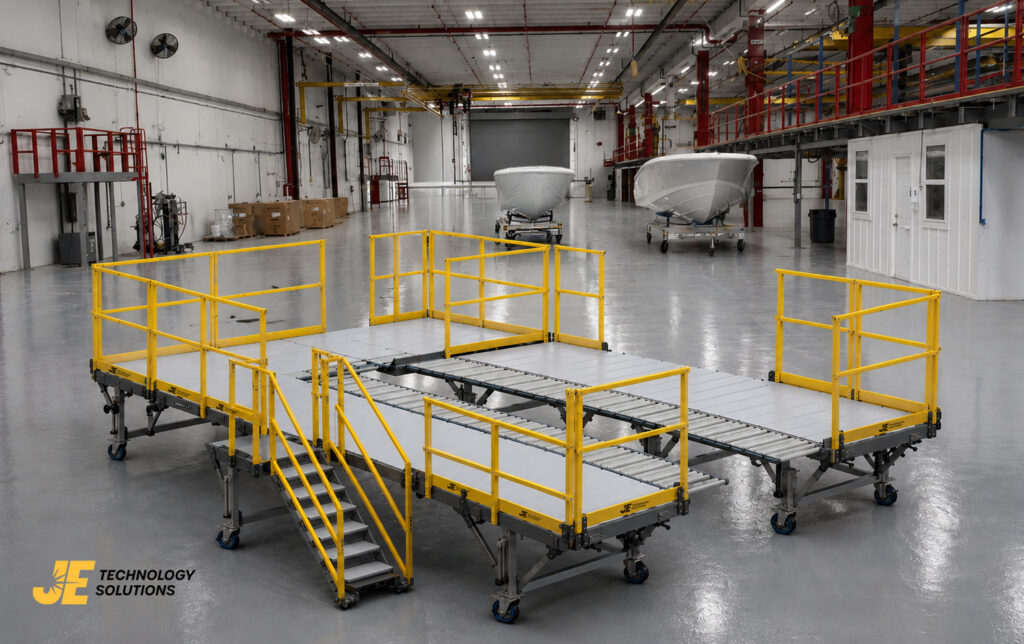
Guardrail systems are also widely used because they provide passive protection without requiring active worker engagement. In many shipyard and dock environments, guardrails help prevent employees from reaching dangerous edges altogether. Additional maritime fall protection equipment may include:
- Vertical and horizontal lifeline systems
- Safety nets
- Anchorage connectors
- Slip-resistant footwear
- Ladder safety systems
- Temporary platform restraints
Because saltwater exposure accelerates corrosion, all equipment should be inspected regularly for wear, rust, and structural damage.
OSHA Maritime Training Requirements
Training plays a critical role in reducing fall-related incidents. OSHA requires maritime employers to ensure workers understand the hazards associated with their job duties and know how to use protective equipment correctly. Effective maritime safety training should include:
- Hazard recognition
- Proper harness use
- Safe ladder procedures
- Scaffold safety
- Emergency response procedures
- Confined space awareness
- Equipment inspection protocols
Training should be ongoing rather than treated as a one-time compliance requirement. Refresher courses and site-specific instruction help workers remain alert to changing hazards. JE Technology Solutions supports organizations seeking stronger workplace safety cultures by helping businesses improve compliance tracking, workforce accountability, and operational safety management.
Maritime Fall Protection Best Practices
Strong maritime safety programs focus on prevention rather than reaction. Employers should conduct regular hazard assessments, inspect safety equipment consistently, and maintain written fall protection procedures.
Clear communication is equally important. Workers should understand who is responsible for inspections, how hazards are reported, and what steps must be followed before elevated work begins. Technology can also improve compliance by helping organizations manage:
- Training records
- Inspection schedules
- Incident reporting
- Equipment maintenance logs
- Safety documentation
Digital compliance systems reduce administrative gaps while improving operational visibility.
Frequently Asked Questions
The primary OSHA maritime standards include 29 CFR 1915 for Shipyard Employment, 29 CFR 1917 for Marine Terminals, and 29 CFR 1918 for Longshoring operations.
A Personal Fall Arrest System includes a harness, lanyard, lifeline, and anchorage point designed to stop a worker safely during a fall.
Maritime environments contain elevated surfaces, unstable footing, wet conditions, and heavy equipment operations that significantly increase fall risks.
Yes. OSHA requires employers to train workers on hazard recognition, equipment use, and safe work procedures related to maritime operations.
Conclusion
OSHA maritime fall protection is essential for reducing injuries and fatalities in shipyards, marine terminals, docks, and offshore operations. Workers in these environments face unique risks created by unstable surfaces, weather exposure, elevated work areas, and vessel movement. Organizations that prioritize hazard prevention, training, equipment inspections, and operational accountability create safer workplaces and improve long-term compliance outcomes.
JE Technology Solutions helps businesses strengthen workplace safety operations through compliance-focused systems, process optimization, and technology-driven risk management strategies that support safer maritime environments and stronger OSHA readiness.