

Aircraft Geometry
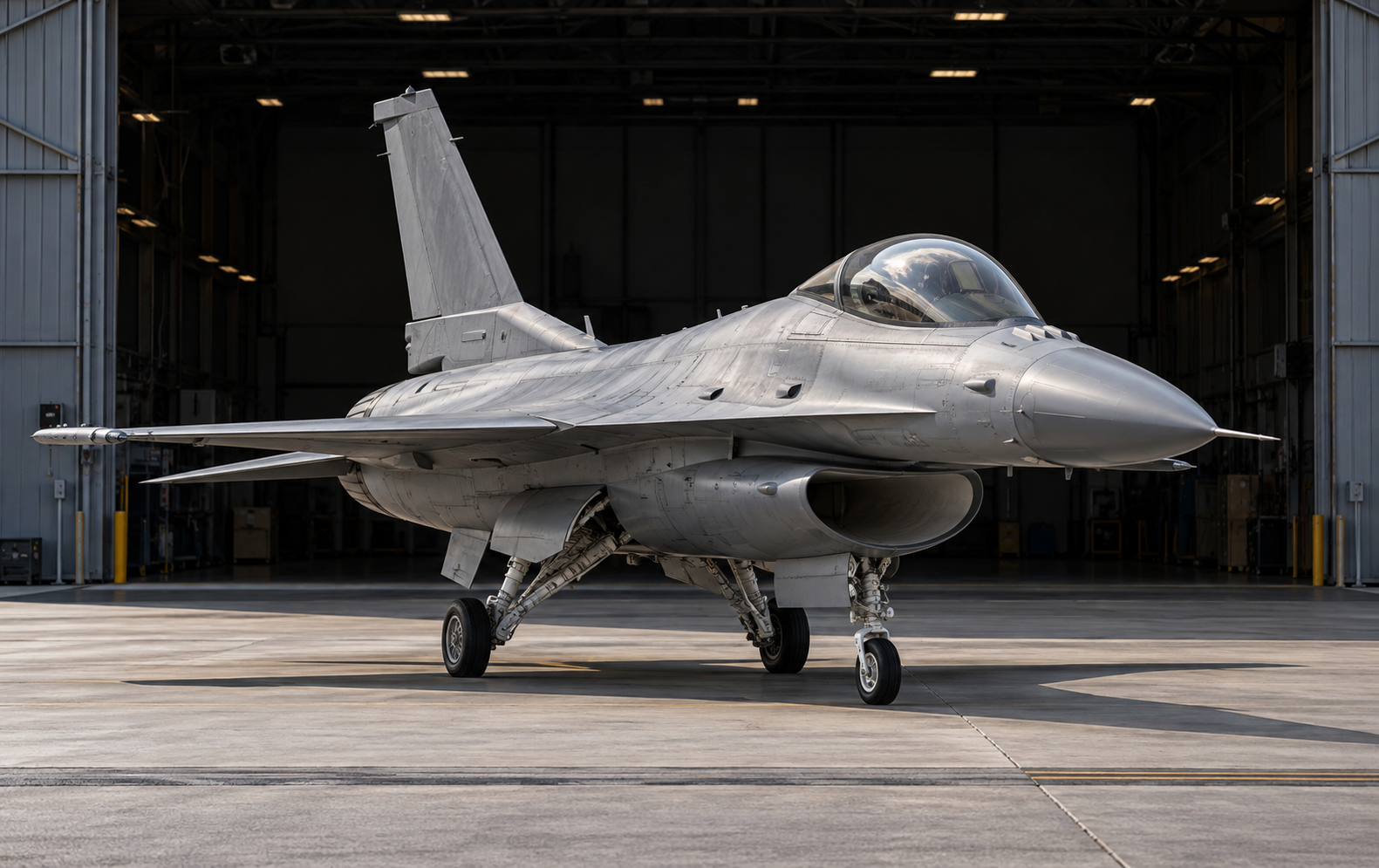
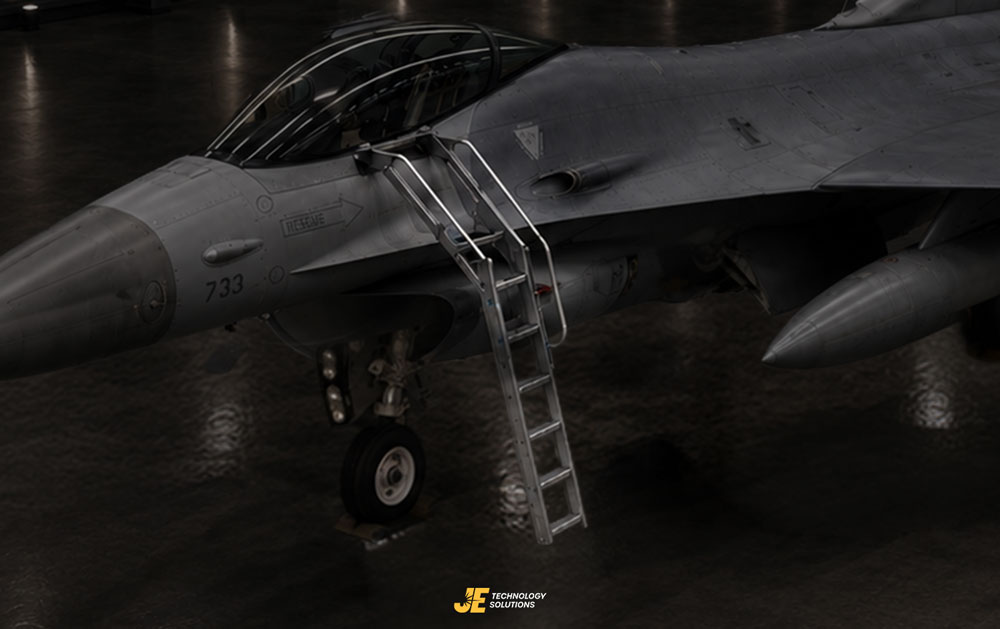
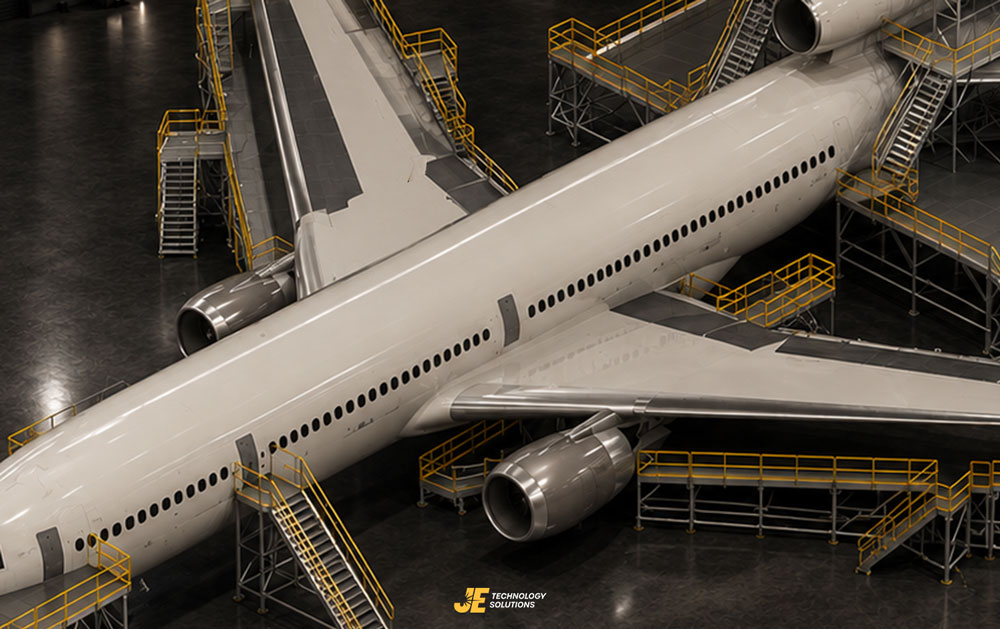
The aircraft model, lower-fuselage contours, access opening, and surrounding components determine where the stand can be positioned.
Apopka, Florida // Engineering & Manufacturing // Est. 2004
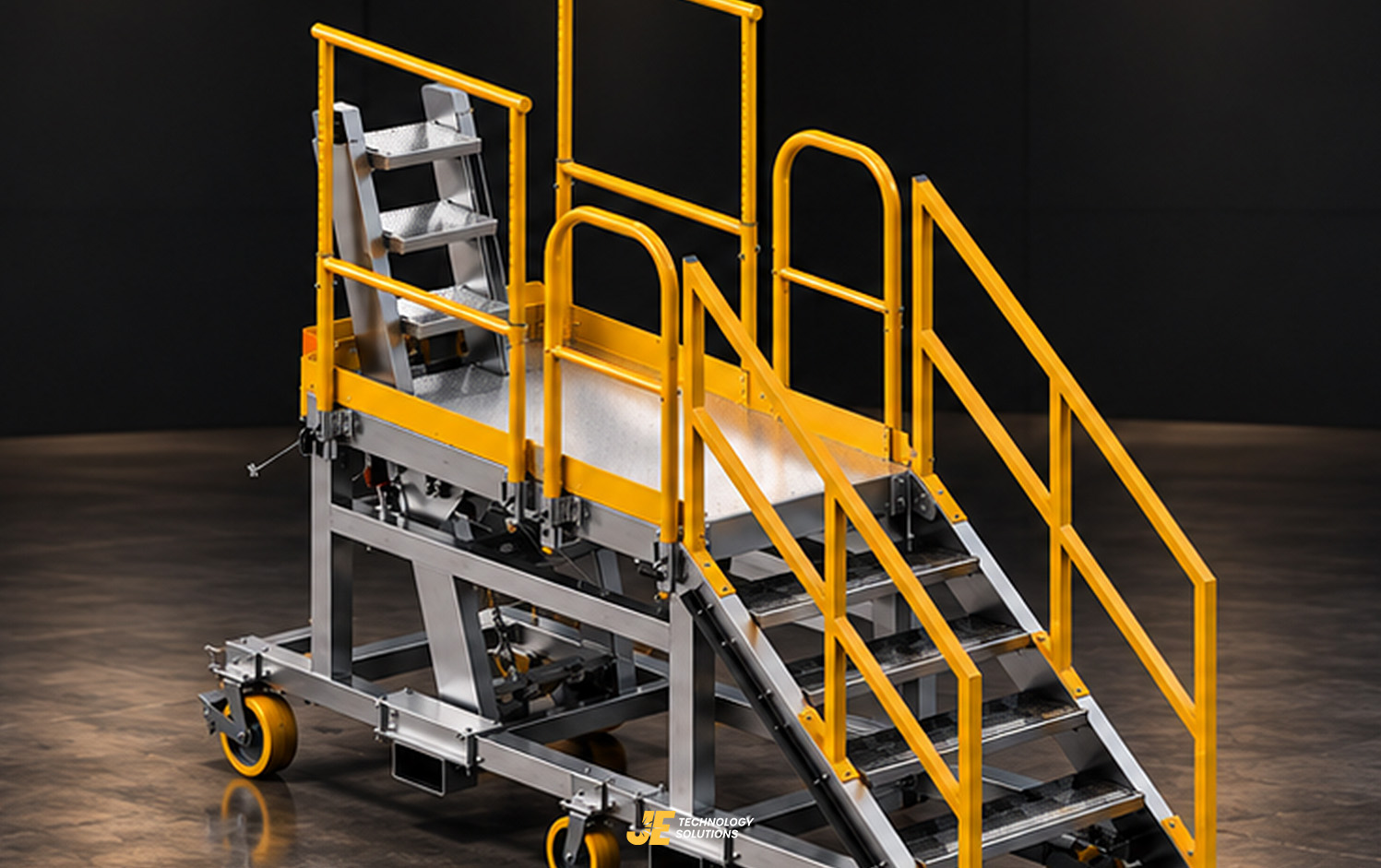
Lower-fuselage maintenance access engineered around aircraft geometry, technician safety, and repeatable workflows—delivered as an adjustable, mobile platform for Boeing 737 and Airbus A320 maintenance operations.
Contact For Pricing
Boeing 737, 757 and Airbus A320 maintenance teams both require controlled access to confined lower-fuselage areas. The Hell Hole Maintenance Stand provides the same stable, purpose-built foundation while allowing technicians to adjust the platform, ladder, and extensions for the aircraft and task at hand.
Both applications begin with the same requirement review—aircraft configuration, maintenance task, technician workflow, required clearances, facility constraints, and safety objectives. The stand is then positioned and adjusted for the specific aircraft and maintenance requirement.
Don’t see the exact fit? We build custom solutions around your exact requirements.
Download our guide to compare key considerations, evaluate your maintenance requirements, and determine whether a standard, modified, or custom-engineered solution is right for your operation.

Please provide your details to download the PDF instantly.
JE can provide the standard Hell Hole Maintenance Stand or evaluate a modified configuration when aircraft geometry, facility limitations, or maintenance workflows require a more tailored approach. The six inputs below help determine the right solution.
The aircraft model, lower-fuselage contours, access opening, and surrounding components determine where the stand can be positioned.
Working surfaces, guarding, fall protection and stability as one system.
The required work area determines the appropriate platform height, ladder position, extension placement, and distance from the aircraft.
The review considers how technicians enter the platform, move through the maintenance task, handle tools or components, and exit the work area.
Hangar layout, floor conditions, available clearances, storage space, nearby equipment, and movement paths can influence the final configuration.
The stand must support the work the crew needs to accomplish—whether performing inspections, troubleshooting, scheduled servicing, or component access and replacement.
The Hell Hole Maintenance Stand is available as an existing engineered product. When aircraft geometry, facility constraints, or technician workflows require a different approach, JE can evaluate modifications or develop a custom configuration.
JE combines engineering, fabrication, assembly, verification, and documentation around the approved project scope.
Develop access systems around equipment geometry and the real maintenance task.
Integrate working surfaces, access, guarding, and stability into the overall system.
Coordinate structure, interfaces, movement, and operational use as one solution.
Begin with geometry, workflow, safety, quantity, and timeline — and tell us whether the equipment stays put or travels.
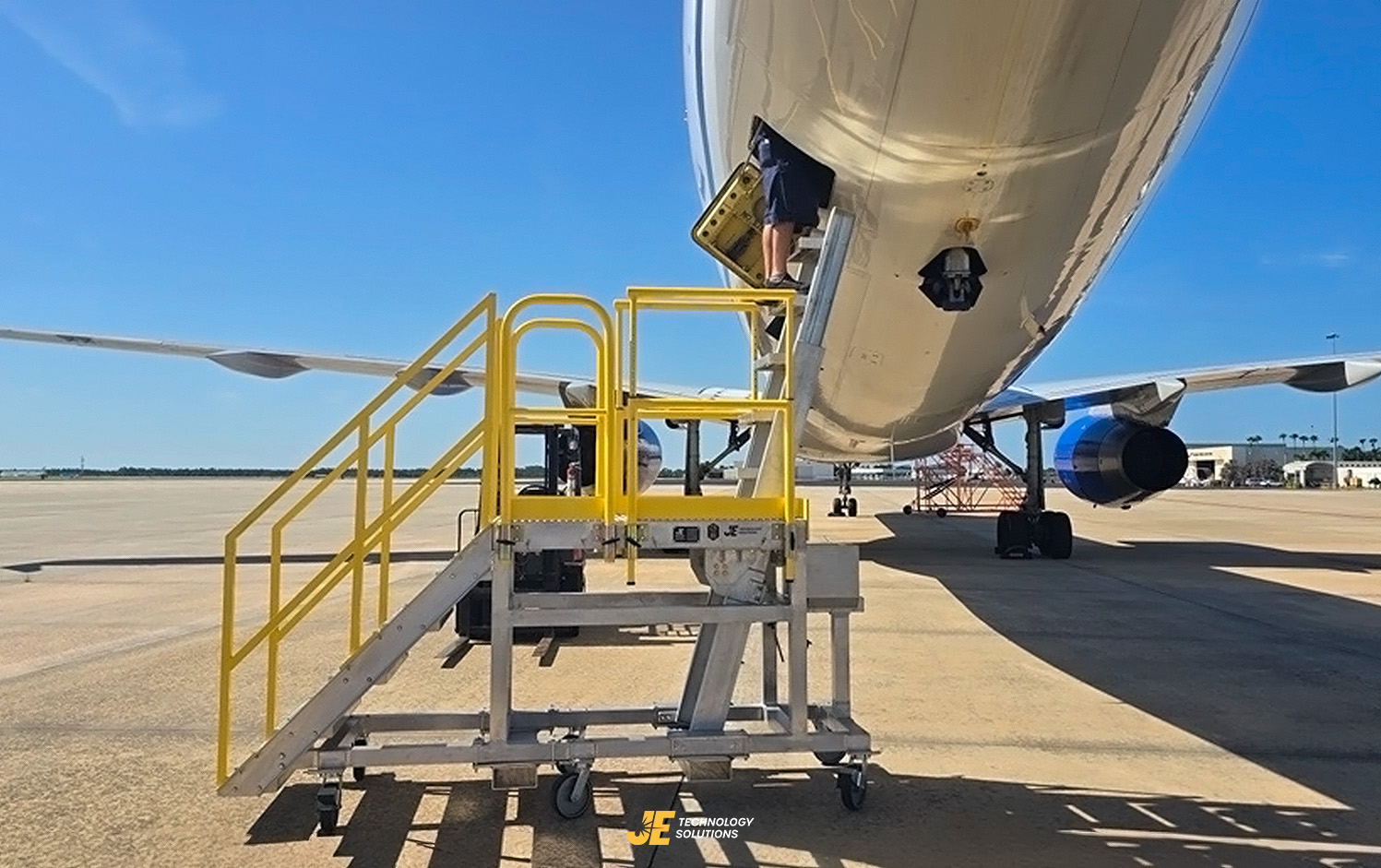
The Hell Hole Maintenance Stand supports Boeing 737, Boeing 757, and Airbus A320 lower-fuselage maintenance applications. Final suitability should be confirmed for the aircraft configuration, maintenance procedure, required clearance, and facility.
The platform has a 600-pound load capacity and a maximum occupancy of one person. The integrated winch has a separate 1,000-pound capacity for approved material-handling applications. These ratings must not be combined or treated as interchangeable.
Part 30-8635 may provide a more consistent alternative when its dimensions, capacities, and features align with the maintenance requirement. JE should review the aircraft, task, current access method, facility, and anticipated loads before recommending a solution.
JE can evaluate modifications involving platform dimensions, working height, mobility, guarding, access features, aircraft interfaces, and facility-specific requirements. The engineering team will determine whether modifying the existing product or developing a new solution is the appropriate path.
Share public-safe project details so the right JE specialist can review your application, requirements, and target timeline.
"*" indicates required fields