
Engineered for depot use
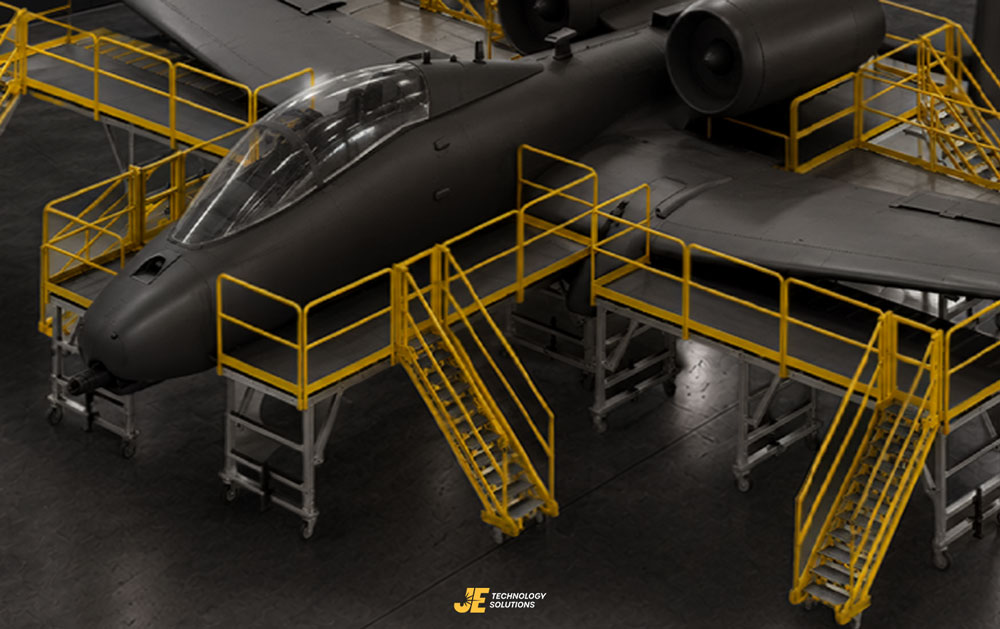
Steel construction engineered for sustained depot-level work, not adapted from lighter-duty flight-line equipment.
Apopka, Florida // Engineering & Manufacturing // Est. 2004
Contact For Pricing
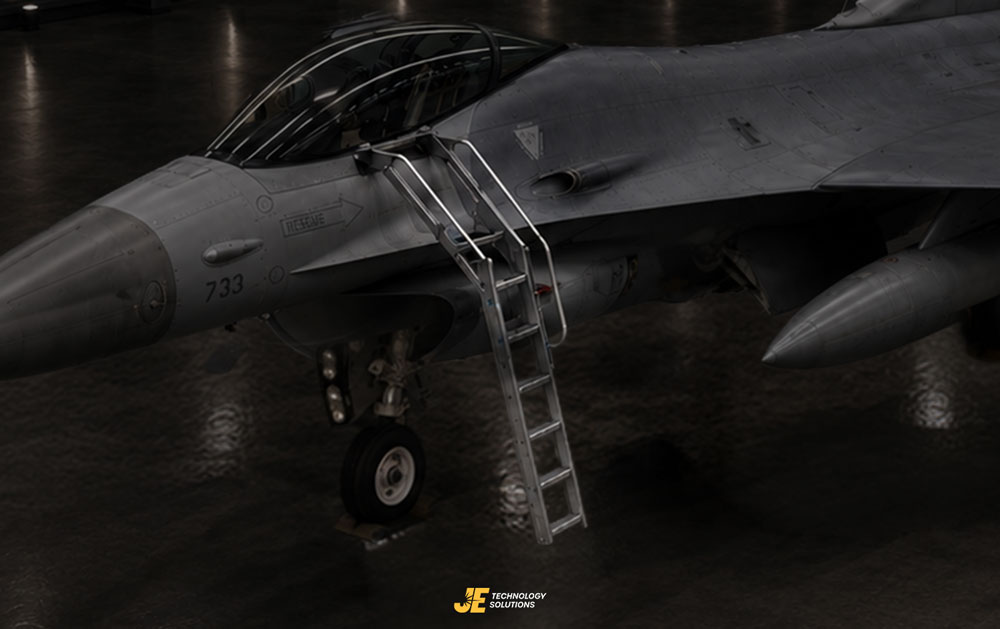
Nose-mounted avionics, wing-mounted control surfaces and pylons, fuselage systems and tail-section components each demand a different platform geometry — which is why the F-16 line evolved into module-specific platforms rather than one general-purpose stand.
Don’t see the exact fit? We build custom solutions around your exact requirements.
Every module shares the same core engineering: a steel frame for high-traffic MRO and depot crew loads, powered or hand-crank height adjustment, OSHA/ANSI-compliant guardrails with self-closing gates, non-slip aluminum decking, and locking swivel-mount casters for repositioning around large transport airframes.
Individual modules can be configured with optional integrated stairs or ramp connections to adjacent GSE modules — so a facility can link stations into one coordinated depot setup rather than treating each platform as isolated equipment.
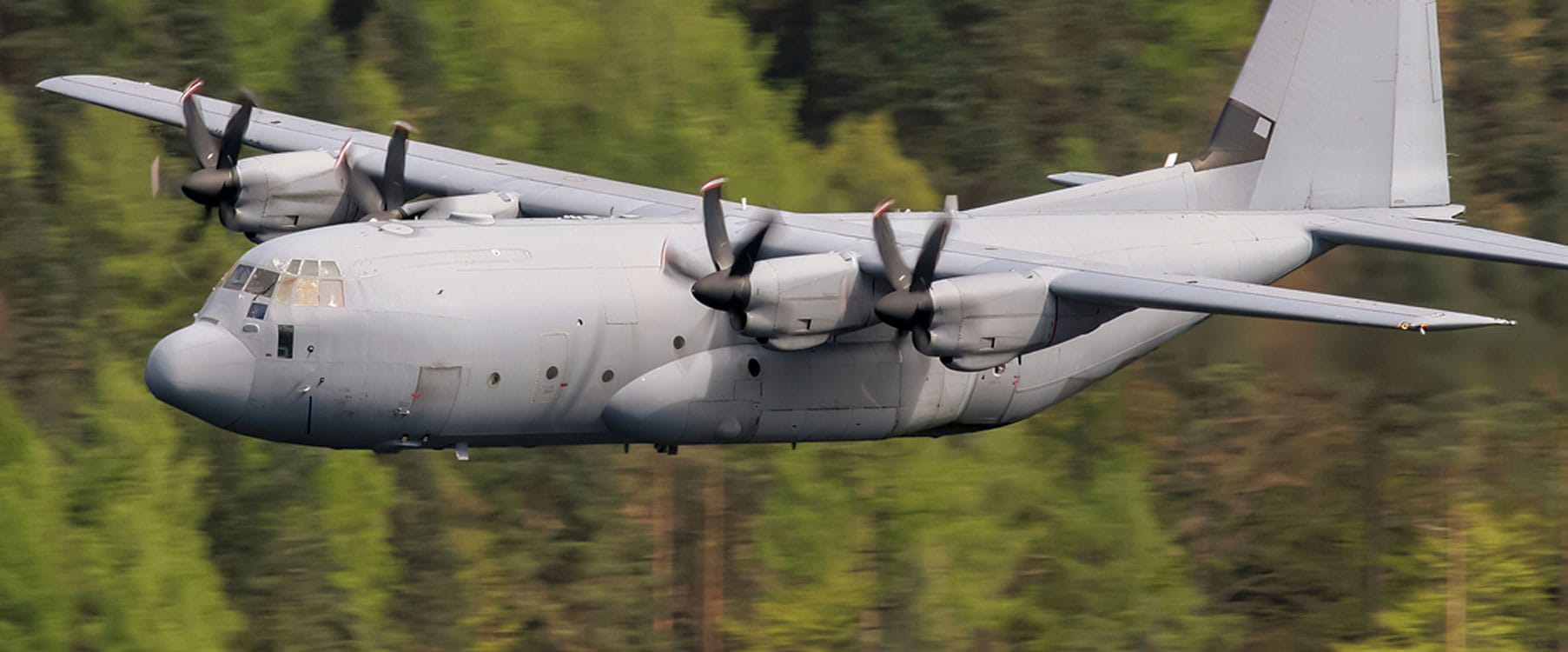
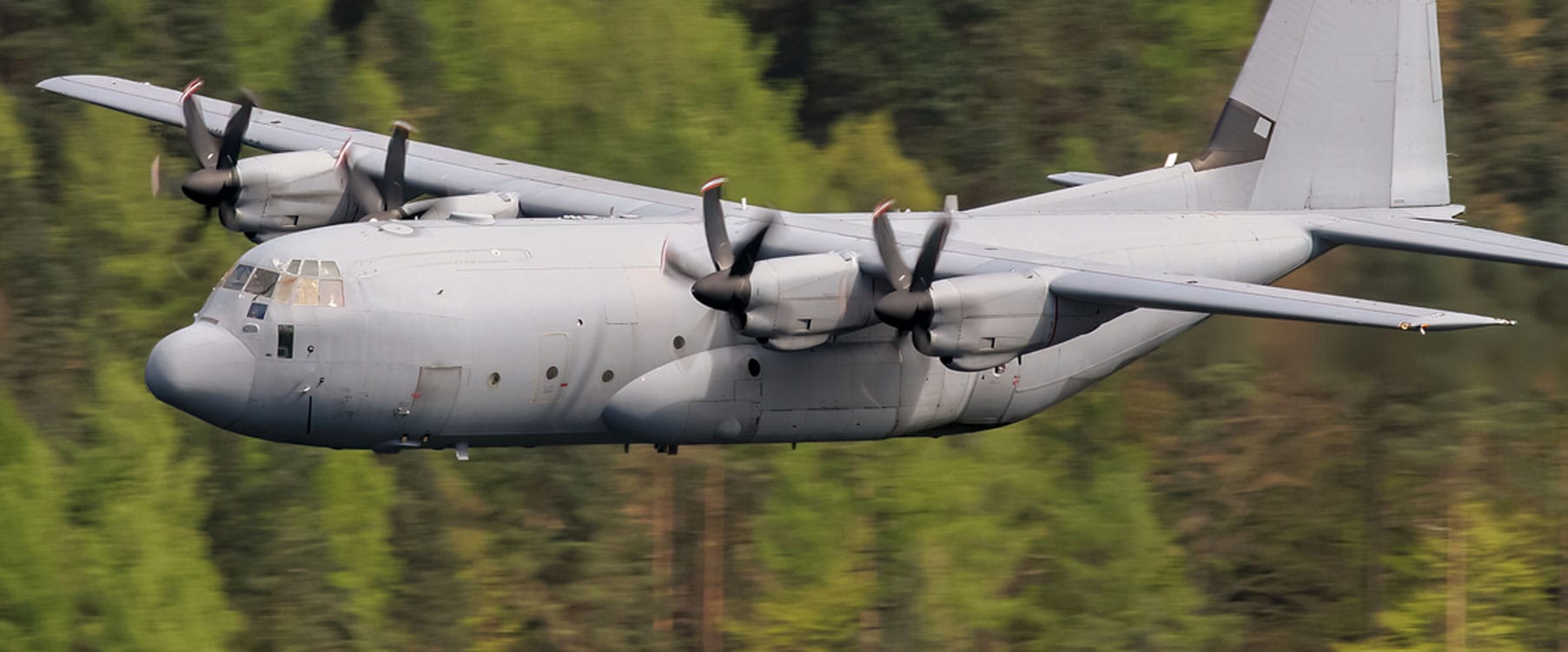
The C-130 is substantially larger than the fighters JE also builds for, and it shows in the engineering. Every difference below is a consequence of size and depot-level workload, not a product upgrade.
The Hercules has been in continuous service for decades, so a real C-130 fleet is rarely made up of identical aircraft — different tail numbers carry different modification histories, equipment fits, and structural details. That variability is why the engineering starts from the specific aircraft in front of the team.
The four-engine configuration creates requirements a two-engine aircraft doesn’t face. Engine changes in particular need equipment engineered around the logistics of removing, transporting and reinstalling a large turboprop — which JE has built and delivered.
JE applies its standard six-stage process, sizing every platform to the aircraft’s actual four-engine turboprop profile and depot workload rather than scaling up equipment built for a smaller aircraft.
Carries extra weight here, because platforms are frequently configured to a specific tail number rather than a general aircraft type.
Sized to the actual four-engine turboprop profile — nose radome, wing leading edge, fuselage crown height — not scaled up from a smaller aircraft.
Steel frame fabrication with non-slip aluminum decking, guardrails and self-closing safety gates.
Load rating validated in-house by the same team that engineered it, before manufacturing completes.
Coordinated to the depot or flight-line location, with add-on tool trays, tie-down points and lighting packages as specified.
Documentation and continued assistance across the platform's service life.
The Hercules has been in continuous service for decades, so a real C-130 fleet is rarely made up of identical aircraft — different tail numbers carry different modification histories, equipment fits, and structural details. That variability is why the engineering starts from the specific aircraft in front of the team.
Engineering leadership
Structural design and analysis directed under Founder and President Adrian Little, who brings 20+ years of engineering experience to JE's aerospace programmes.
Product range
Five module-specific access platforms — nose, fuselage, wing, empennage/tail, stair & ramp — plus a Full Wrap Maintenance Stand combining all modules into one system.
Construction
Structural design and analysis directed under Founder and President Adrian Little, who brings 20+ years of engineering experience to JE's aerospace programmes.
Steel construction, powered height adjustment and swivel-mount casters exist specifically because the C-130 is bigger and sees harder depot use — not a one-size-fits-all line relabelled for a larger airframe.
Steel construction engineered for sustained depot-level work, not adapted from lighter-duty flight-line equipment.
Real C-130-specific engineering experience beyond access platforms, demonstrated through JE's custom engine change cart.
Five module-specific platforms and a Full Wrap engineered to work as a coherent, connectable system for coordinated depot maintenance.
Configuration to individual tail numbers, not just aircraft type — a depot fleet's equipment needs vary aircraft to aircraft, not only model to model.
Need access platforms engineered for the C-130 Hercules’s specific depot-maintenance demands?
Six configurations: a Nose/Forward Module, Fuselage Module, Port/Starboard Wing Module and Empennage/Tail Module access platform, a Stair & Ramp Unit, and a Full Wrap Maintenance Stand that combines all modules into one integrated, 360-degree system.
The C-130 is a larger aircraft with higher-traffic depot maintenance demands than JE's fighter-aircraft platforms, so its access equipment is engineered with steel frame construction to accommodate sustained high-traffic MRO and depot maintenance crew loads.
Yes. Platform width, height range and load rating can be custom-engineered to a specific tail number or variant, rather than shipping as a single generic design.
Yes. JE has engineered a custom C-130 engine change cart, supporting the logistics of removing and servicing the aircraft's turboprop engines — proof of C-130 engineering experience beyond the access platform line.
Yes. Modules can be configured with optional integrated stairs or ramp connections to adjacent GSE modules, allowing multiple platforms to work together as a coordinated depot maintenance station.
Share public-safe project details so the right JE specialist can review your application, requirements, and target timeline.
"*" indicates required fields